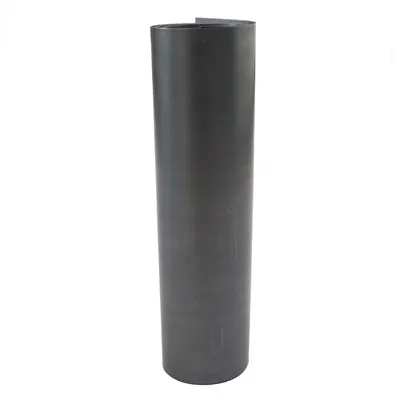
The tips for using fiber sealing gaskets include the following aspects:
Select the appropriate fiber sealing gasket: Select the appropriate fiber sealing gasket according to the requirements of the equipment. There are many types of fiber sealing gaskets, such as aramid gaskets, paper gaskets, etc., each type is suitable for different working environments and pressure requirements.
Clean and check the sealing surface: Before installing the fiber sealing gasket, the sealing surface must be cleaned to ensure that it is clean, smooth, free of oil and impurities. If there are scratches or damage on the sealing surface, it should be repaired or replaced in time.
Correctly install the fiber sealing gasket: Place the fiber sealing gasket on the sealing surface to ensure that the gasket fits the sealing surface completely without bubbles and wrinkles. If multiple gaskets need to be stacked, they should be stacked in the specified order and quantity.
Gradually tighten the bolts: Use appropriate tools to tighten the bolts step by step to avoid over-tightening at one time to avoid damaging the gasket or causing deformation of the sealing surface. Gradually tightening the bolts can ensure that the gasket is subjected to uniform compression.
Check the sealing effect: After installation, check the sealing effect to ensure that the gasket fits tightly against the sealing surface without leakage. If leakage is found, adjust the bolt tightening force or replace the gasket in time.
Maintenance and maintenance: Regularly check the condition of the fiber sealing gasket and replace the aging or damaged gasket in time to ensure that it always maintains good sealing performance. In addition, avoid using sharp tools or excessive force to damage the sealing gasket.