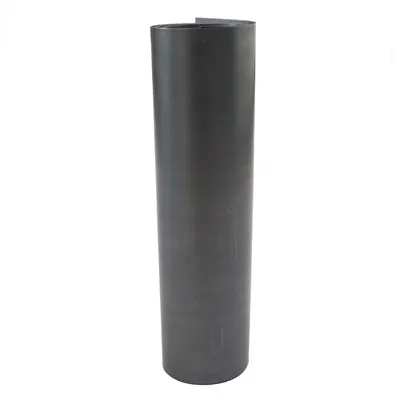
The selection method of fiber sealing board mainly includes the following aspects:
Understand the types of fiberboard: Common fiberboards include medium density fiberboard (MDF), high density fiberboard (HDF) and particleboard. Different types of fiberboards are suitable for different purposes, and they should be matched according to specific needs.
Check the density of the board: The higher the density of the fiberboard, the better the strength and stability, but the price is also higher. According to the use scenario, such as load-bearing, durability and other requirements, choose the appropriate density.
Check environmental protection: High-quality fiberboard should meet national environmental protection standards, and the formaldehyde emission should be within the safe range. Choose products that have obtained relevant environmental certifications, such as E1 and E0 standard boards, to reduce the impact on health.
Observe the surface treatment and gloss: The surface of high-quality fiberboard should be smooth, flawless, and have moderate gloss. Avoid choosing products with rough surfaces or obvious defects, which will affect subsequent use and appearance.
Brand selection: Try to choose products from well-known brands, which are generally more stringent in quality control. You can check user reviews to understand the actual use experience and make a more informed choice.
Check the holes and color: The smaller the holes, the more durable the board; choosing a board without black spots usually means that it is made of new materials and the quality is more guaranteed.
Feel the weight and test toughness: The heavier the board, the higher the density and the more durable it is; boards with good toughness are less likely to deform and provide more stable support for decoration projects.
Check the thickness: 9 mm is the first choice, which ensures both the strength and lightness of the board.